
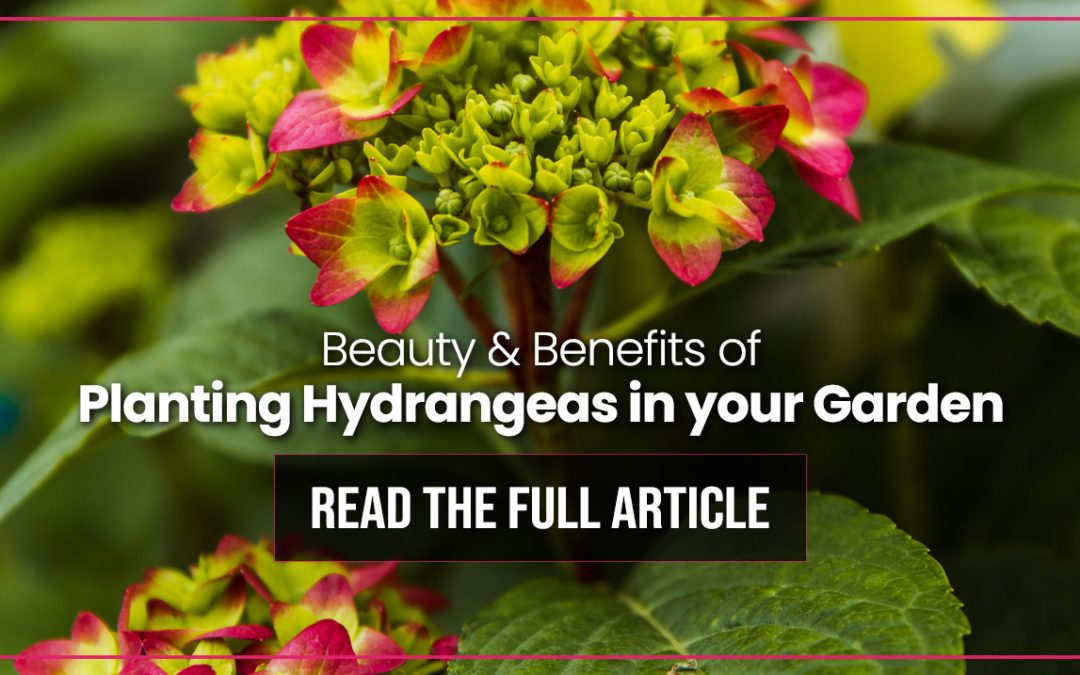
If you’re looking to enhance your garden with vibrant color, lush blooms, and minimal maintenance, planting hydrangeas is a fantastic choice. These classic shrubs are beloved for their large, colorful flower heads and ability to adapt to various soil conditions. In this post, we’ll explore the key benefits of hydrangeas and offer practical care tips to help you enjoy a healthy, blooming garden season after season.
🌿 Why You Should Consider Planting Hydrangeas
1. Eye-Catching Beauty
Hydrangeas are famous for their dramatic, globe-like flower clusters that bloom in shades of blue, pink, white, and purple. Their lush foliage and long blooming season—from spring through fall—make them a visual centerpiece in any landscape.
2. Support for Pollinators
Certain varieties of hydrangeas, like lace-cap and panicle types, attract bees, butterflies, and other pollinators. By planting hydrangeas, you’re not only beautifying your yard but also supporting your local ecosystem.
3. Easy to Grow and Maintain
Hydrangeas are generally low-maintenance once established. They’re disease-resistant, tolerate partial shade, and can adapt to a range of soil types. With basic care, they reward gardeners with consistent blooms and minimal hassle.
4. Unique Color-Changing Blooms
Did you know you can change a hydrangea’s flower color? With Hydrangea macrophylla (bigleaf), the bloom color is influenced by soil pH—acidic soil produces blue flowers, while alkaline soil yields pink ones. This makes planting hydrangeas a fun, interactive gardening experience.
5. Perfect for Cut and Dried Flowers
Hydrangeas are popular for fresh floral arrangements and dried decor. Their large blooms and sturdy stems make them a favorite for DIY bouquets, centerpieces, and wreaths.
🛠️ How to Care for Hydrangeas
To get the most from planting hydrangeas, follow these care tips:
✅ Choosing the Right Location
-
Opt for a spot with morning sun and afternoon shade, especially in warmer climates.
-
Ensure well-drained soil enriched with organic matter.
-
Allow space for mature growth—some varieties can reach 8+ feet wide.
💧 Watering Tips
-
Hydrangeas thrive with consistent moisture, especially in hot, dry weather.
-
Water deeply 1–2 times per week.
-
Use mulch to help retain soil moisture and reduce weed growth.
✂️ Pruning Tips (by Variety)
-
Bigleaf & Oakleaf: Prune after blooming—they flower on old wood.
-
Smooth & Panicle: Prune in late winter—they bloom on new wood.
-
Always remove dead or weak stems to promote healthy growth.
🌿 Fertilizing and Soil pH
-
Use a balanced, slow-release fertilizer in spring.
-
To control bloom color (macrophylla types), test and adjust soil pH:
-
Blue: Add aluminum sulfate (acidic).
-
Pink: Add lime (alkaline).
-
❄️ Winter Protection
-
In cold zones, apply mulch or straw around the base in late fall.
-
Consider burlap wrapping in harsh winters (zones 3–5).
🌼 Best Hydrangea Varieties for Beginners
If you’re new to planting hydrangeas, start with these easy-care varieties:
-
Limelight Hydrangea – Large flowers have a unique color that looks great with any style and color of house. Blooms every year, even in cold climates – winter doesn’t faze it at all. Shop now.
-
Nikko Blue Hydrangea – These thrive in moist, well-drained soil and prefer partial shade to full sun, making them versatile additions to gardens, borders, and containers. Shop now.
-
Twist-n-shout Hydrangea – With dependable blooms, this hydrangea has become a favorite for new and expert gardeners alike. Not only are the blooms on remarkable, but the sturdy stems are also vivid red, adding even more interest to your landscape. Shop now.
- Nikko Blue Hydrangea – The Nikko Blue Hydrangea is a low-maintenance shrub. After each bloom, prune off old blooms and your Hydrangea will bloom again! In the winter months, prune lightly to maintain size. Shop now.
🌟 Final Thoughts on Planting Hydrangeas
Planting hydrangeas is one of the most rewarding decisions you can make for your garden. These hardy, stunning shrubs offer year-round interest, attract pollinators, and require only basic care. Whether you’re designing a serene backyard oasis or a vibrant front yard display, hydrangeas will deliver timeless beauty and functionality.
Hydrangeas are more than just beautiful flowering shrubs—they’re reliable, resilient, and rewarding. Whether you’re after a romantic cottage feel, a bold summer border, or an eco-friendly pollinator haven, hydrangeas can deliver. With just a bit of planning and care, you’ll be rewarded with one of the most stunning and versatile additions to your garden.
So grab your gloves, dig a little, and let hydrangeas bloom their way into your outdoor oasis!